


When homeowners think about indoor air quality, the crawl space may not be the first place that comes to mind. But excess moisture, mold, pests, and other crawl space problems can contribute to conditions that affect the rest of your home.
Musty odors, high humidity, and recurring moisture may all be signs that it’s time to take a closer look beneath your home. Addressing the source of crawl space moisture can help create a drier, better-protected space.
How Crawl Spaces Affect the Air You Breathe
Air and moisture can move between a crawl space and the living areas above it. When a crawl space has excess moisture, mold, musty odors, or pest problems, those conditions may affect the overall indoor environment. That means anything lurking down there—like mold, mildew, standing water, or pest droppings—can make its way into your living space. This is especially common in homes without a proper vapor barrier or with poor ventilation.
Common Crawl Space Problems That Can Affect Indoor Air Quality
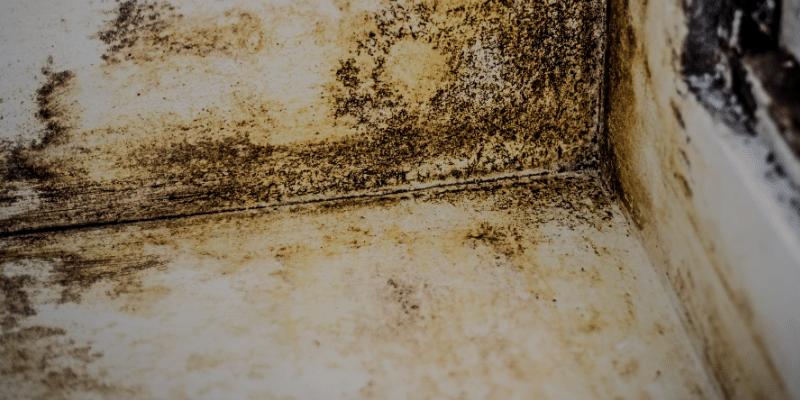
- Moisture buildup: Excess moisture leads to mold and mildew, which release spores into the air.
- Pest infestations: Rodents, insects, and their droppings can contribute to poor air quality and potential illness.
- Wood rot: Damp conditions can cause wooden beams and supports to rot, releasing musty smells and weakening your home’s structure.
- Dirty or exposed insulation: Over time, fiberglass insulation can deteriorate and spread allergens or irritants through the air.
How Crawl Space Conditions Can Affect Your Home
A damp or poorly maintained crawl space can affect more than just the area beneath your home. Excess moisture can contribute to mold and mildew growth, musty odors, pest activity, and deterioration of wooden supports and insulation. Moisture and odors can also move into the living areas above, contributing to an uncomfortable indoor environment. Addressing crawl space moisture at the source can help protect your home’s structure and create a cleaner, drier space below.
Signs Your Crawl Space Might Be Causing Problems
Here’s what to look for:
- A musty smell in your home, especially near floors or vents
- Condensation on windows
- Uneven floors or sagging
- High indoor humidity, even when the weather is dry
- Increased utility bills, due to poor insulation or airflow
If you’re noticing any of these, it’s time to take a closer look.
How to Improve Crawl Space Conditions
Improving your crawl space is one of the most effective ways to boost indoor air quality and protect your home’s value. Here’s what Jerry’s Waterproofing recommends:
- Install a vapor barrier: This keeps moisture out and helps regulate humidity.
- Encapsulate the crawl space: Fully sealing the area keeps pests, moisture, and mold at bay.
- Repair insulation: Damaged or damp insulation should be replaced with materials designed for crawl space conditions.
- Control excess humidity: Depending on the crawl space and source of the moisture, additional moisture-control measures may be recommended after water intrusion has been addressed.
Crawl Space Repair in Nebraska and Iowa
Since 1976, we’ve been helping homeowners in Eastern Nebraska and Western Iowa improve the health of their homes, starting from the ground up. Our crawl space repair services are designed not only to fix the problems but also to prevent them from coming back. With licensed contractors, proven materials, and decades of experience, we can help you breathe easier.
Get a Free Crawl Space Evaluation
If you suspect your crawl space might be affecting your air quality, don’t wait. Contact Jerry’s Waterproofing for a free estimate and find out what’s really going on beneath your home.