


A basement is supposed to be a safe, dry space, but many homeowners discover water seeping up through the floor. Even if it starts as a small damp spot, it can quickly become a serious problem leading to mold, structural damage, and poor indoor air quality. So why does this happen, and what can you do about it?
How Is the Water Getting In?
If the water appears to be entering through the floor (no sign of water staining or dampness on the walls), then there are three potential entrances.
- From Inside the House: First rule out any plumbing problems inside the house or with floor drains. Make sure the water heater isn’t leaking and that it isn’t an issue with a faulty backflow preventer in a floor drain.
- Through Floor Cracks: If your basement’s slab floor has cracks, even hairline ones, water can work its way into your basement.
- Cove Joint: If the water seems to be entering at floor level but along the wall, it is likely entering through the cove joint, the place where the slab floor meets the wall.
Common Causes of Water Seeping Through Basement Floors
1. Hydrostatic Pressure
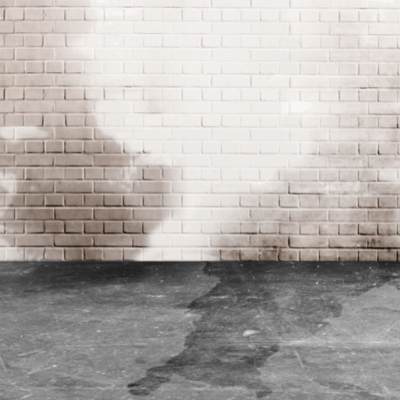
The most common cause is hydrostatic pressure. When the soil around your foundation becomes saturated, water builds pressure against your basement floor and walls. Since water always looks for the path of least resistance, it can push up through cracks and cove joints or even porous concrete.
2. Poor Drainage Around the Foundation
If your yard slopes toward your home or your gutters and downspouts aren’t moving water far enough away, rainwater may collect near your foundation. Over time, this increases soil saturation and pressure, leading to water intrusion through the floor.
4. High Water Table
In some areas, the groundwater level (water table) naturally sits close to the foundation. After heavy rains or snowmelt, the water table rises even higher, making basement floors especially vulnerable.
5. Plumbing Leaks
Not all basement water problems are caused by groundwater. Sometimes the culprit is a leaking pipe or drain line beneath the slab. These leaks may mimic foundation water problems, so it’s important to have a professional inspection.
Why This Basement Water Leaks Shouldn’t Be Ignored
Even small amounts of moisture can have big consequences:
- Mold and mildew growth that harms indoor air quality.
- Damage to flooring and stored items in your basement.
- Foundation deterioration from long-term water exposure.
- Increased radon risk, since water and soil gases can travel through the same cracks.
Solutions for Water Seeping Through Basement Floors
The right solution depends on the root cause (for instance, if it is a plumbing issue, call a plumber), but common waterproofing fixes include:
- Interior Drainage Systems – Installed beneath the floor to collect water and direct it to a sump pump.
- Sump Pump Installation/Upgrades – Removes collected water from inside the home and discharges it outside.
- Exterior Drainage Improvements – Regrading soil, extending downspouts, or adding French drains to keep water away.
- Crack Repair & Sealing – Sealing floor cracks prevents direct seepage.
- Basement Waterproofing Systems – Comprehensive protection for homes with chronic flooding or high water tables.
Don’t Wait for the Next Storm
If you’ve noticed damp spots, water stains, or puddles coming through your basement floor, the problem won’t go away on its own. In fact, it usually gets worse with time. If you live within our eastern Nebraska/western Iowa service area, Jerry’s Waterproofing can inspect your basement, identify the cause, and design a waterproofing solution that keeps your home safe and dry for years to come. Contact us to learn more.