



If your dehumidifier isn’t fixing your basement moisture problem, there may be more going on than high humidity. A dehumidifier can make a damp basement feel less humid and musty, but it can’t stop water from entering your home. Foundation seepage, poor drainage, condensation, and other moisture sources may need to be addressed before you see a lasting improvement.
What Does a Basement Dehumidifier Actually Do?
A good unit will help:
- Reduce humidity in the air
- Slow mildew and musty odors
- Make the space more comfortable
- Protect belongings from dampness
But it won’t stop water from entering. If moisture is coming from the soil around your foundation, a leak, or condensation from poor airflow, it’s not solving the real problem.
Why Isn’t Your Dehumidifier Fixing Basement Moisture?
1. Water Is Entering Through the Foundation
If you see:
- Water along wall-floor joints
- Damp carpet or wet spots after storms
- Crumbling or flaking concrete your issue may be seepage, not just humidity. Cracks, hydrostatic pressure, and clogged drainage systems can force water inside. A dehumidifier can’t stop any of that.
2. Poor Air Circulation
Basements often trap humid air because they don’t get the same airflow as the rest of the home. When that air can’t move, moisture lingers on cool surfaces like concrete walls and floors, creating condensation. A dehumidifier helps, but you may still have damp walls.
3. The Source Is Outside, Not Inside
Outdoor issues can introduce moisture:
- Improper grading that pushes water toward the house
- Downspouts dumping water next to the foundation
- Mulch beds or landscaping holding moisture against the walls Fixing water management outside can make a bigger difference than adding another appliance indoors.
4. Your Dehumidifier Isn’t Sized Correctly
Basements often need a larger capacity unit than people expect. If you bought one designed for a bedroom or small living space, it may be underpowered and unable to keep up.
Signs Your Moisture Problem Is Bigger Than Humidity
Pay attention if you notice:
- Musty, earthy smells that return quickly
- Visible mold growth
- Rusting appliances or tools
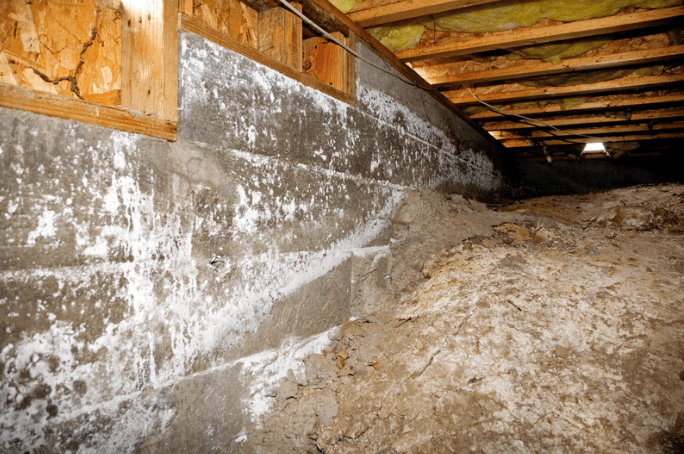
- Efflorescence (white powder) on concrete walls
- Peeling paint or bubbling drywall These typically indicate water intrusion, not just humid air.
How to Fix Basement Moisture Problems
Depending on the cause, long-term basement waterproofing solutions might include:
Improve exterior drainage
Regrading soil, extending downspouts, or installing yard drains keeps water away.
Repair cracks or install wall reinforcement
Epoxy injections, carbon fiber reinforcement, and structural repairs may be needed if a wall is bowing or cracking.
Interior or exterior waterproofing
Drain tiles, sump pumps, and vapor barriers move water out before it becomes a problem.
Encapsulation for crawl space basements
If your home has a basement-crawl space combination, sealing it and controlling ground moisture is often critical.
When a Dehumidifier Is Helpful
It’s useful as part of a complete moisture control strategy, especially after addressing the main source of water. It can help keep the space comfortable and protect stored belongings, but it shouldn’t be the only line of defense.
If your dehumidifier feels like it’s constantly running without making a real difference, there’s a good chance the problem goes deeper than humidity. Finding and fixing the actual source of moisture will save money, prevent structural damage, and keep your basement healthier long term.
Still dealing with basement moisture even with a dehumidifier? Contact Jerry’s Waterproofing for a free estimate. Our team can help identify the source of the moisture and recommend the right solution for your home.