


If your basement leaks when it rains but stays dry most of the time, you’re not alone. Rain-related basement leaks are a common waterproofing problem and can be confusing when there’s no obvious water problem during dry weather. This is one of the most common basement waterproofing problems homeowners face. It’s also one of the most confusing — because if your foundation were truly “broken,” shouldn’t it leak all the time?
The truth is, rainwater adds pressure and changes how water moves around your home, and even a small vulnerability in your foundation or drainage system can let that water find its way in. Here are the five most common reasons your basement leaks during rainfall and what you can do about it.
Hydrostatic Pressure Builds Up When It Rains
The soil around your foundation absorbs water when it rains. As that soil becomes saturated, it expands and puts hydrostatic pressure — the force that water exerts on a surface — against your foundation walls and floor.
Concrete is porous, and even the smallest crack or weak spot becomes a path of least resistance. That pressure can push water through:
- Hairline cracks in walls or floors
- Gaps around pipes or basement windows
- The cove joint (where the wall meets the floor)
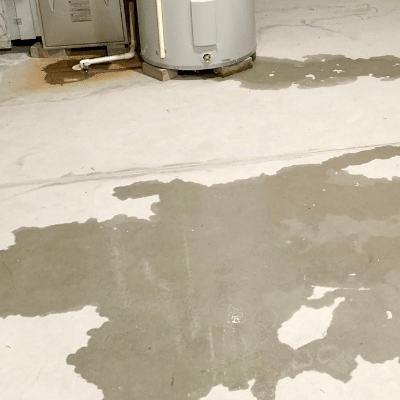
This type of leak often looks like water seeping in slowly or forming small puddles after a storm.
Poor Grading and Drainage Direct Water Toward the House
Your yard’s slope and drainage system play a major role in keeping your basement dry. If the ground around your home slopes toward the foundation instead of away from it, rainwater naturally flows toward your basement walls and increases the pressure against them.
Other common drainage problems include:
- Clogged or disconnected gutters and downspouts
- Downspouts that discharge too close to the house
- Landscaping that traps water near the foundation
These issues are easy to overlook but can dramatically increase the amount of water your basement walls are forced to hold back during a rainstorm.
Cracks and Gaps Become Active Leak Points
Even a small foundation crack can stay dormant in dry weather. But when rain saturates the soil and raises the moisture level around your foundation, those cracks become active leak points.
Water follows the path of least resistance — so if there’s a gap in the concrete, even one too small to notice, water will find it. Over time, repeated exposure can make those cracks worse and lead to bigger leaks.
Your Sump Pump or Drain Tile System Isn’t Working Properly
If your home has a sump pump or drain tile system, it’s designed to collect and move groundwater away from your foundation. But if that system isn’t functioning correctly, water can back up and leak into your basement during heavy rain.
Common problems include:
- A failed or undersized sump pump
- Clogged drain tiles or discharge lines
- Power outages or pump malfunctions during storms
Testing your sump pump regularly and keeping the system maintained is key to preventing rain-related leaks.
Surface Water Finds Entry Points You Can’t See
Not all leaks start below ground. Rainwater from roof runoff, overflowing gutters, or misdirected downspouts can pool around basement windows, window wells, or stairwell doors. If seals around those openings are compromised, water can easily enter during storms.
Is the Moisture in Your Basement a Leak or Just Condensation?
Not all basement moisture is caused by leaks. Another common culprit is condensation. Condensation happens when warm, humid indoor air hits cool basement surfaces like walls, floors, or pipes. The air cools quickly and releases moisture, forming water droplets. It’s the same reason a cold drink “sweats” on a hot day.
So how can you tell which one you’re dealing with? Try the foil test. Tape a piece of aluminum foil to a damp wall and leave it for 24 hours. If moisture collects on the outside of the foil, it’s condensation. If it forms behind the foil, water is coming through the wall, and you have a leak.
Some other signs of condensation include:
- Water droplets or a thin film of moisture on walls or windows
- Dampness that appears mostly in warm, humid weather
- No visible cracks or obvious water entry points
- Moisture forming on pipes or ductwork
- A general musty odor without standing water
If you’re not sure what’s causing the problem — or you’ve tried fixes, and moisture keeps coming back — it’s time to bring in a waterproofing professional. A thorough inspection can pinpoint the source of moisture and recommend the right solution before it leads to bigger (and more expensive) issues.
What Happens If You Ignore a Leaky Basement?
If left untreated, leaky basements can cause a multitude of problems, including:
- Mold, mildew, and fungus growth: Persistent basement moisture can create conditions where mold and mildew can grow. Addressing the source of the moisture can help protect your basement and improve the overall condition of the space.
- Structural damage: Leaky basements can cause irreparable structural damage. Moisture can rot wooden support beams, causing them to weaken and become unstable. Additionally, major appliances in the basement can be affected, such as electrical systems, heating/cooling appliances, and water heaters. They could rust and corrode very quickly. Furthermore, carpet and furniture will absorb moisture from the leak, possibly damaging them well beyond restoration.
- Bug and rodent infestation: During the winter in Nebraska, bugs and rodents seek a warm, moist place to escape the cold temperatures, and a leaky basement is a perfect habitat. These critters can damage your home, and expose you and your family to diseases.
In short, leaky basements are a health hazard and could lead to serious structural damage. It’s vital to contact a professional right away if you notice issues.
How to Stop Your Basement From Leaking When It Rains
The first step is identifying where and how the water is entering. Check the outside first; often, a problem with the surface drainage system will lead to water leakage indoors. Examine the area around the foundation of your home and check for common problems:
- Are the gutters maintained and cleaned out?
- Do the downspouts extend far enough?
- Is the ground around the foundation properly sloped?
- Are the underground drainage pipes fully functioning?
- Is there a problem with the foundation (settlement, cracking, etc.)?
Once you know the source, professional waterproofing solutions can address the problem permanently. Depending on your situation, fixes may include:
- Interior or exterior drain tile installation
- Foundation crack repair and sealing
- Sump pump repair or replacement
- Grading and gutter improvements
- Window well drainage solutions
An exterior drainage system, though expensive, can make a significant difference in repairing your basement floor leak. Installing an exterior drainage system requires lots of invasive excavating and is a complicated process that should only be attempted by professional waterproofing contractors.
There are also a variety of interior waterproofing options. The first is an interior drainage channel above the concrete slab. This system consists of a waterproof basement coating on the walls and a drainage channel at the base of the wall and slab floor that collects water and drains it into a sump pit. From there, the water is pumped out by the sump pump.
The next system, an interior drainage channel within the slab edge, drains the water inside the masonry blocks much better. A drainage channel and drain pipes are connected to the sump pump, and a hole is drilled at the base of every block to improve drainage. The top blocks are capped, and a vapor barrier is installed to prevent more water from entering the basement.
The most effective type of drainage system is the interior drainage system beneath the slab. In this system, a perforated drain pipe is installed in the perimeter of the footings, collecting the water and channeling it to the sump pump.
Contact Jerry’s Waterproofing for Professional Waterproofing Services in Nebraska and Iowa
At Jerry’s Waterproofing, we specialize in diagnosing and solving rain-related basement leaks. Our team will inspect your foundation, identify the cause, and design a waterproofing solution that keeps your home dry — no matter how hard it rains.
Don’t wait for the next storm to reveal the problem again. Contact Jerry’s Waterproofing today for a professional basement waterproofing inspection and protect your home from costly water damage.
Frequently Asked Questions About Basement Leaks
Why does my basement only leak when it rains?
Rain saturates the soil around your foundation, creating hydrostatic pressure that forces water through cracks, joints, and other weak points. In dry conditions, those same vulnerabilities may show no symptoms at all.
How do I know if my basement moisture is a leak or condensation?
Tape a piece of aluminum foil to a damp wall for 24 hours. Moisture on the outside of the foil means condensation; moisture behind it means water is coming through the wall.
Is a leaky basement a health risk?
Yes. Persistent moisture creates conditions for mold growth — including toxic black mold — and can attract pests. Addressing leaks quickly protects both your home’s structure and your family’s health.
What is the most effective basement waterproofing system?
It depends on the source of the leak, but an interior drainage system installed beneath the slab, paired with a sump pump, is generally considered the most effective long-term solution for groundwater intrusion.
How do I stop my basement from leaking during heavy rain?
Start by checking exterior drainage — gutters, downspouts, and yard grading. For persistent leaks, professional solutions like drain tile installation, crack repair, or sump pump replacement are typically needed.